
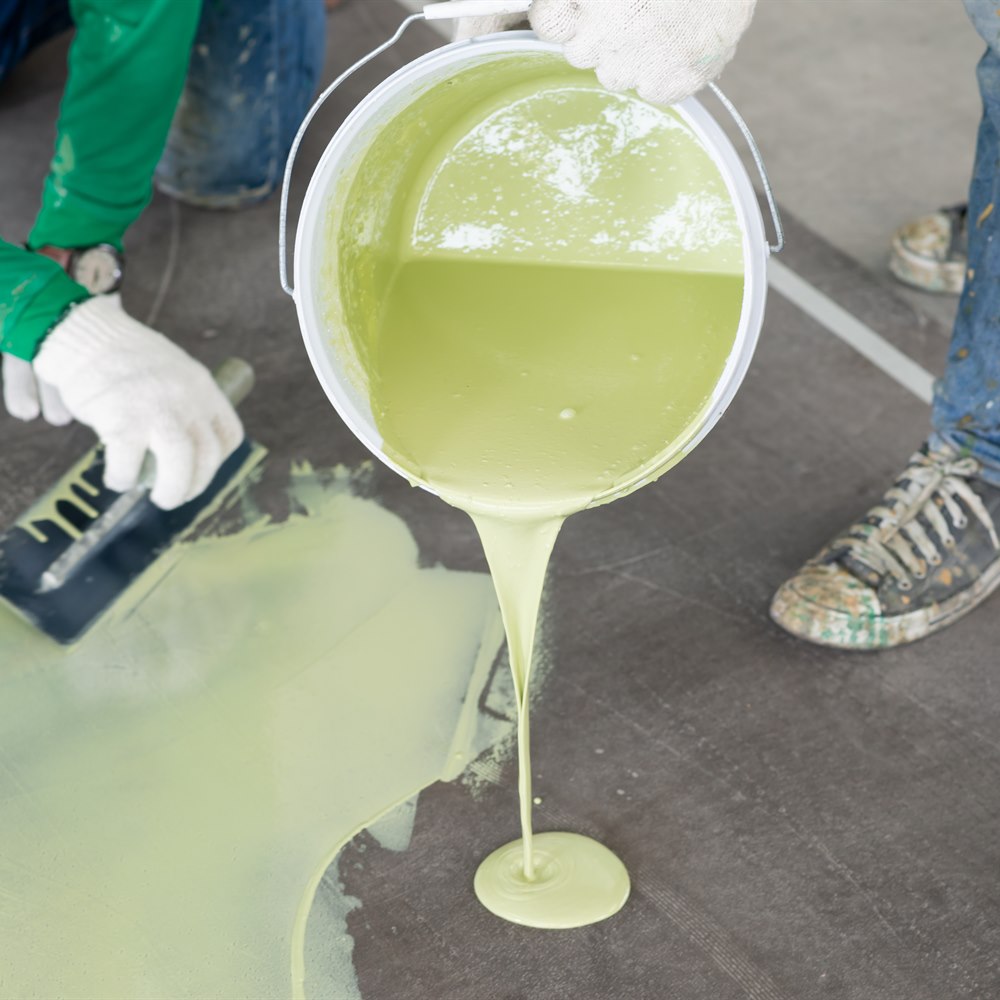
How Do You Choose the Best Garage Floor Coating?
The best garage floor coating is the one that matches your use conditions, climate, budget, and appearance goals, installed by someone who prepares the slab properly. Chemistry and looks are the choices homeowners focus on; preparation is the one that actually determines how long the floor lasts.
| System | Cost per Square Foot | Best For |
|---|---|---|
| Standard epoxy | $3 to $7 | Enclosed garages used for parking and general storage |
| Polyaspartic or polyurea | $7 to $12 | Sun exposure, workshop or hobby use, high traffic, appearance-critical floors |
Cost figures on this page were checked against published pricing on August 30, 2026. How we source cost data.
Match the Chemistry to Your Use Conditions
For an enclosed garage used mainly for parking vehicles and general storage, a standard epoxy system at $3 to $7 per square foot delivers excellent protection at the lowest cost. For a garage with direct sun exposure, or one used as a workshop or active hobby space where floor appearance matters, a polyaspartic or polyurea system at $7 to $12 per square foot provides better UV stability and color retention. For the highest-use applications, heavy workshop work, frequent vehicle entry and exit, or year-round foot traffic, a premium polyurea or polyaspartic system gives the most durable result. (For more on this, see Epoxy vs. Polyurea vs. Polyaspartic Flooring: Which Is Best?.)
Climate belongs in this decision too. In sun-exposed garages, UV-stable polyaspartic and polyurea prevent the yellowing standard epoxy develops over time. In cold climates with frequent temperature cycling, the more flexible polyurea systems outperform brittle standard epoxy. (For more on this, see Epoxy vs. Polyaspartic Flooring: Which Is Right for Your Garage?.)
Consider the Visual Goal
Epoxy offers real visual variety within the cost range. A solid-color system is the most basic and most economical, and it looks cleanest in light colors. A decorative flake system, where colored chips are broadcast into the coating before the topcoat, creates a speckled, terrazzo-like surface that hides dirt and minor imperfections; it is by far the most popular residential choice and comes in a wide range of color combinations. A metallic epoxy system produces a reflective, swirling appearance that makes the floor a visual statement. Pick the look that fits both the garage’s intended use and your taste.
Factor In Maintenance Commitment
Standard epoxy asks more of you than polyurea or polyaspartic. It is more susceptible to hot tire pickup, UV yellowing, and visible scratching, and keeping it looking right means periodic parking precautions, prompt cleaning, and eventual topcoat renewal. If that is not maintenance you will actually do, the more forgiving polyurea or polyaspartic system is the better choice even at the higher upfront cost.
Preparation Determines Whether the Coating Lasts
Regardless of which system you choose, preparation is the single most important factor in a successful installation. A premium system installed on an improperly prepared floor fails faster than a basic system on a properly prepared one. A contractor who uses thorough mechanical preparation, diamond grinding or shot blasting, with a professional-grade system produces a floor that lasts 10 to 20 years. One who skips mechanical preparation produces a coating that fails in 1 to 3 years regardless of the chemistry in the bucket.
So the question to ask any contractor is not just which system they recommend, but exactly how they prepare the slab before applying it. The answer tells you more about the outcome than the product name does.
Is the Premium System Worth It?
The premium for polyurea or polyaspartic over standard epoxy is $4 to $5 per square foot. For high-use, sun-exposed, or appearance-important applications, that premium is worth paying. Over a 15 to 20-year installation life, the better durability, UV stability, and lower maintenance burden justify the upfront cost in most residential applications beyond basic enclosed parking. For a garage that is genuinely just parking and storage, standard epoxy on a well-prepared slab is the better value. (For more on this, see Epoxy vs. Polyurea vs. Tile Garage Flooring: Which Is Right?.)
Verify the Contractor Before You Commit
Before approving any contractor, verify their current license status with the applicable state licensing board, which usually offers an online lookup, request a current certificate of general liability insurance naming you as an additional insured for the duration of the project, and confirm workers’ compensation coverage for any employees. These checks take about 15 minutes and protect you from the financial liability of an uninsured worker injured on your property. Legitimate contractors provide the documents without hesitation.
How a contractor handles detailed questions beforehand is a reliable indicator of how they will handle problems mid-project. Someone who answers specifically, follows up when they say they will, provides a written proposal without repeated requests, and treats your due diligence as reasonable is showing you the professionalism they bring to the work. Evasiveness about qualifications, vague answers, or pressure for a quick decision reveals the opposite. References from completed floors and clear warranty terms in writing complete the picture.
Making the Choice
Treat the hiring decision as a partnership evaluation rather than a pure price comparison. Technical competence, local accountability, clear communication, and a backed warranty are the qualities that determine whether the floor still looks right years from now, and all four are assessable before the work begins. Homeowners happiest with the result are those who identified the right contractor up front rather than discovering a disappointing one afterward.
Match the chemistry to your use conditions, choose the appearance that fits your goals, be honest about your maintenance commitment, and treat preparation quality as the deciding factor between contractors. Define what you want specifically before engaging anyone, gather multiple site-visit quotes on equivalent defined scope, and confirm scope items in writing before approving work. Knowing your own priority order, whether upfront cost, long-term low maintenance, appearance, or turnaround time matters most, makes every other decision here straightforward.
Frequently Asked Questions
Standard epoxy at $3 to $7 per square foot for enclosed garages used mainly for parking, where cost is the priority. Polyurea or polyaspartic at $7 to $12 for garages with sun exposure, heavy use, or appearance requirements. The contractor's preparation quality matters more than the chemistry.
$3 to $7 per square foot for a standard epoxy system and $7 to $12 per square foot for polyaspartic or polyurea. The premium for the higher-performance chemistry is $3 to $7 per square foot.
Decorative flake systems with broadcast color chips are the most popular residential choice: a polished, terrazzo-like appearance that hides dirt and minor imperfections, available in many color combinations. Metallic systems are the most visually distinctive, and solid colors are the most economical.
Yes. In sun-exposed garages, UV-stable polyaspartic or polyurea prevents the yellowing standard epoxy develops over time. In cold climates with frequent temperature cycling, the more flexible polyurea systems perform better than brittle standard epoxy.
For high-use, sun-exposed, or appearance-important garages, yes. The premium over standard epoxy is $3 to $7 per square foot, and across a 15 to 20-year installation life the better durability, UV stability, and lower maintenance justify it. For basic enclosed parking, standard epoxy is the better value.
10 to 20 years when a contractor uses thorough mechanical preparation such as diamond grinding or shot blasting with a professional-grade system. A coating applied without mechanical preparation fails in 1 to 3 years regardless of the chemistry.
Preparation quality. Ask exactly how they prepare the slab before coating it, not just which system they recommend. A premium system on an improperly prepared floor fails faster than a basic system on a properly prepared one.
Check their license status with the state licensing board's online lookup, request a current certificate of general liability insurance naming you as an additional insured for the project duration, and confirm workers' compensation coverage for employees. The checks take about 15 minutes.