
What Does a Complete Fall Lawn and Yard Cleanup Include?
Fall is the most impactful season for lawn care. The actions taken (or not taken) in fall directly determine how well the lawn emerges in spring. Here is the complete fall checklist.
Lawn Maintenance
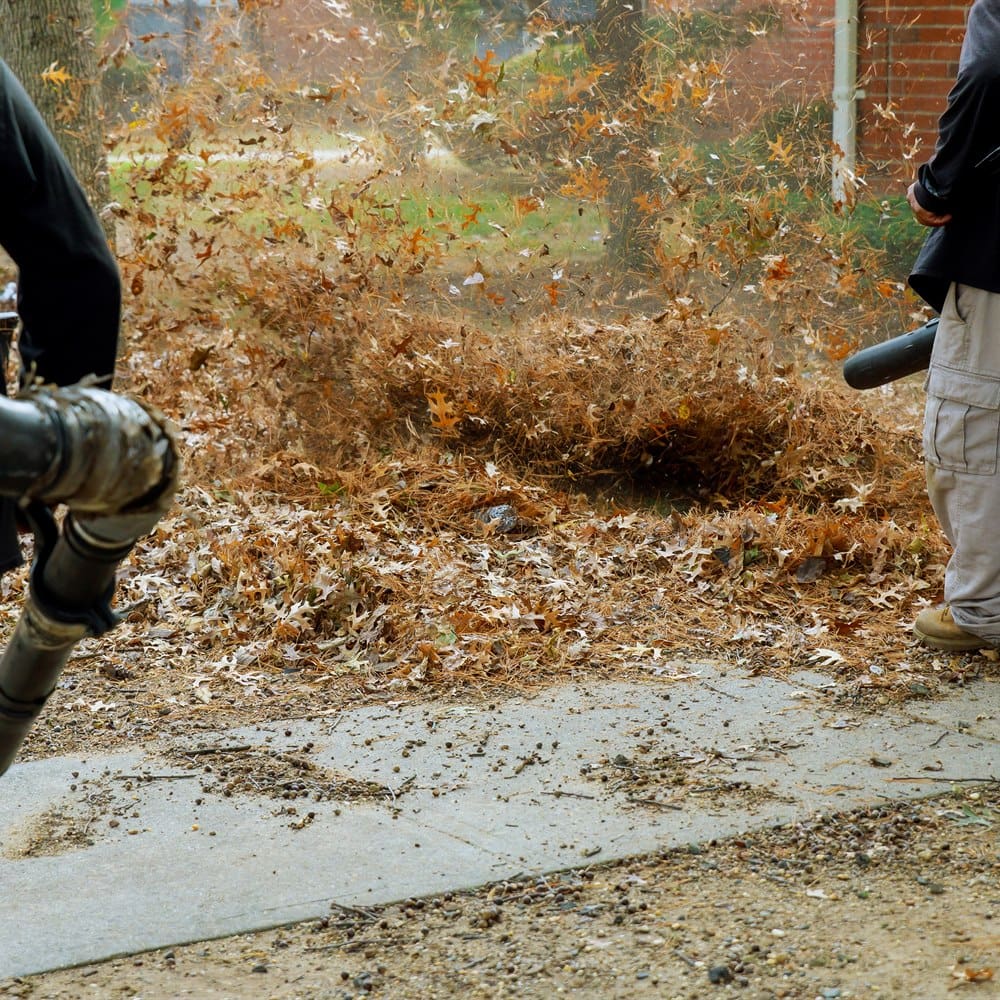
Final mowing: lower the mowing height slightly for the last 1 to 2 mowings of the season (from 3.5 inches to 3 inches for cool-season grasses) to reduce the risk of snow mold — a fungal disease that develops under long grass buried under snow. Do not go below 2.5 inches. Leaf removal: clear all leaves before the first hard freeze. A leaf-free lawn going into winter: significantly less snow mold pressure. Core aeration (if not done in September): early October is the last practical timing for fall aeration in most northern states. Overseeding: immediately after aeration, if thin areas need thickening before winter. Fertilizer: a fall winterizer application (low nitrogen, high potassium) is the most impactful fertilizer application of the year for cool-season lawns. Timing: apply after the grass stops actively growing but before the ground freezes (typically late October to early November in most northern states).
Irrigation and Outdoor Plumbing
Sprinkler system winterization: blow out the system before the first hard freeze (see the detailed guidance in the sprinkler winterization article). Outdoor faucet protection: turn off the interior shutoff valves for outdoor hose bibs and open the outdoor faucets to drain residual water. Hose storage: disconnect all hoses from outdoor faucets and drain and store them in a garage or heated space — hoses left attached to outdoor faucets can allow ice to form in the faucet body, causing the faucet to fail.
Garden and Landscape
Perennial cutback: most perennials should be left standing through winter (they provide wildlife habitat and winter interest) and cut back in late winter before new growth begins. Exceptions: diseased plants (cut and dispose, do not compost). Tender plant protection: cover or move container plants and tender perennials before hard frost. Mulch new plantings: add a 3-inch mulch layer around recently planted trees, shrubs, and perennials to protect their roots through the first winter. Gutter cleaning: essential in fall — clogged gutters in winter fill with ice (ice dams), which back up under the roof shingles and cause interior water damage.
Working With a Contractor on This Project
Getting the right outcome on any home services project starts before the work begins. A few consistent practices make the difference between a smooth project and a frustrating one.
Get at least two or three quotes. A single quote gives you no basis for comparison. Two or three quotes reveal the market rate for the work, expose scope differences between bidders, and let you assess contractor communication quality before any commitment is made. The lowest bid is not automatically the best value if the scope is thin or the materials are underspecified.
Ask for licenses and insurance before work starts. Verify current general liability insurance and, for any work involving workers on your property, workers compensation coverage. Licensing requirements vary by state and trade; confirm the specific requirements in your jurisdiction. A licensed contractor who carries appropriate insurance protects both parties if something goes wrong during the project.
Get the scope in writing. A written proposal that specifies materials, labor scope, timeline, what is included (permits, cleanup, disposal), and warranty terms is the foundation of a professional engagement. Verbal agreements on any of these points invite misunderstanding. For any project over $500, written scope is non-negotiable.
Clarify the payment schedule upfront. A reasonable payment schedule ties major payments to project milestones: a deposit at signing, a payment at material delivery or project start, and a final payment at completion after a walkthrough confirms satisfaction. A contractor who requires full payment upfront before work begins is a red flag in any trade.
Making a Confident Decision
The information in this article is designed to help you ask better questions of the professionals you work with, evaluate their answers with more confidence, and understand the decisions involved in this type of home services project. It is not a substitute for professional assessment of your specific home.
Every home is different. Roof slopes, local weather, tree exposure, soil conditions, and existing system condition all affect what the right solution is for your specific situation. The general principles here apply broadly, but a professional who assesses your home in person will give you guidance that accounts for the details that general articles cannot.
When you are ready to move forward, getting at least two or three quotes from licensed, insured, local contractors is the most important practical step. It lets you compare approaches, assess contractor quality, and confirm that the solution proposed matches your specific situation and budget.
Ranges here are national ballpark figures, not quotes. Actual pricing varies by region, home condition, materials, and contractor. How we source cost data.
Frequently Asked Questions
Final mowing at a slightly lower height. Complete leaf removal. Core aeration and overseeding if needed. Winterizer fertilizer application. Sprinkler system winterization. Disconnect and drain outdoor hoses. Perennial cutback (or leave standing for winter interest -- except diseased plants). Add mulch to new plantings. Clean gutters.
Most fall cleanup activities should be completed before the first hard freeze (a sustained temperature below 28 to 30 degrees F): typically late October to early November in most northern US states. Fertilizer: apply after the grass stops growing but before the ground freezes. Leaf removal: complete before the first snow. Irrigation winterization: before the first hard freeze. Outdoor faucet winterization: before nighttime temperatures regularly drop below freezing.
Most perennials: leave standing through winter. The dead stems provide wildlife habitat (many insects overwinter in hollow stems), catch snow as insulation for the crown, and add winter interest to the garden. Cut back in late winter (February or March) before new growth begins. Exceptions: diseased plants (cut and dispose -- composting may spread the disease). Plants that reseed aggressively: cut before seeds ripen and scatter.
Snow mold is a fungal disease (gray snow mold and pink snow mold) that develops under snow on lawn surfaces, particularly under a heavy wet leaf mat or on very long grass. Prevention: remove all leaves before the first snow, mow at 3 inches for the last 1 to 2 mowings of fall (not lower, not higher). Do not pile snow on the lawn from driveways or sidewalks if possible. A fall fungicide application: occasionally recommended for lawns with severe recurring snow mold history.
Yes -- early fall (August to September in most northern states) is the best time to overseed cool-season lawns (tall fescue, bluegrass, ryegrass). The soil is warm enough for germination, the air is cooling (reducing heat stress on seedlings), and the seedlings have 6 to 8 weeks to establish before the first hard freeze. Do not overseed in late October or November -- there is insufficient time for germination and establishment before winter.